ERP system functions for enterprises
A modern large enterprise is an extremely complex mechanism consisting of dozens, and sometimes hundreds of divisions. How to ensure efficiency and manageability of this mechanism? A few decades ago, the only option was bureaucracy and endless paper reporting. But today digital capabilities have come to the rescue. In this segment, a whole class of software for complex management of large business has been formed - ERP systems. We will conduct an overview of ERP functions for enterprises, determine the advantages of this software in management, production and supply chains. Let's find out why the company needs an ERP system?

What is ERP?
The term Enterprise Resource Planning is hidden behind the acronym ERP, i.e. “planning of enterprise resources”. Gartner analysts began to use this phrase in the early nineties, talking about the strategy of intelligent planning of processes with the help of intelligent systems. The idea of ERP became a development of the concept of MRP – “material planning at the enterprise”, which has been developing in this field since the sixties.
Unlike MRP, the functionality of ERP for enterprises is not limited to work with material resources, but also extends to all processes and resources: human, financial, etc.
With the new wave of digitalization in the early nineties, the first successful replicated ERP systems for large organizations appeared. For example, products from such vendors as SAP and Oracle. These were bulky and complex platforms, primarily for managing production and logistics. However, the ERP market grew rapidly, and already at the beginning of the 2000s, the use of such software became a standard for both service giants and government organizations.
What has changed since then? What features will enterprise ERP systems have today in 2024? Modern platforms are not at all like their ancestors from the nineties. These are flexible software complexes for automating and optimizing all business processes: from accounting and personnel management to raw material purchases and control of industrial equipment. They offer convenient web and mobile interfaces, can work from the “cloud”, freely integrate with popular business products. The modern ERP market offers both large-scale integrated platforms for giant factories and solutions for medium-sized businesses that provide a subscription service.
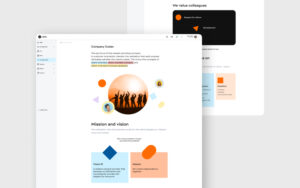
Key functions of ERP systems for enterprises
The market offers a variety of solutions for different tasks and areas of business. And we will list the main features of ERP for enterprises that in one way or another perform all such platforms for business.
Financial management
ERP software allows you to conduct digital accounting, control expenses and income, conduct audits and comprehensive analysis of the company’s financial indicators. It helps the business to make forecasts and carry out long-term planning.
Production management
This includes the possibilities of planning, coordination and control of production processes at all levels: supply of raw materials and components, processing, assembly, output of finished products. The functions of ERP systems for production also include the ability to control the material funds and production assets of the enterprise. For example, tracking the state of industrial equipment for timely maintenance.
Project management
Any ERP system is equipped with tools for task management: creating projects, planning tasks, distributing responsibilities among employees, monitoring task performance, and evaluating the effectiveness of its implementation.
Logistics management
Digital platforms help manage all aspects of an organization’s supply chain. Controlled storage of raw materials and finished products, warehouse space management, fleet optimization, transportation management, interaction with suppliers, retailers, customers, etc.
HR automation
Managing a multi-thousand-strong workforce in a large organization can require very significant attention and resources. ERP systems allow you to centrally manage all aspects of HR management: employee search, onboarding, performance evaluation, payroll and bonus management, vacation accounting, corporate training, professional development, etc.
Sales and order management
If the company is engaged in sales or work with end consumers, then ERP systems can provide it with modules for processing customer orders: from the moment of placement, to its processing by the manager, assembly, shipment and fulfillment. Such platforms also allow conducting sales analytics and evaluating their dynamics.
Customer relationship management
At the same time, the ERP system can cover the functionality of CRM software, providing tools for building a customer base and working with it effectively. This allows you to improve the quality of service, provide personalized service, and therefore increase the trust and loyalty of customers.
Quality control
Integrated digital control can better than any other means ensure compliance of the company’s products or services with certain quality standards – both domestic, industry and international. The percentage of defects and defects in production can be minimized with minimum costs.
Risk control
The concentration of data for processing in a single platform ultimately gives the business the opportunity to get a holistic view of the processes at the enterprise, to objectively determine its strengths and weaknesses. Therefore, ERP provides the basis for adequate risk assessment, predictive analytics and long-term planning.
It should be said that the given overview of the functions of ERP systems for enterprises is not exhaustive. After all, most systems have flexible options for integrating additional tools for various business tasks. And if we are talking about systems of individual development, then there are practically no restrictions for them – any functionality can be implemented.
How ERP affects enterprise productivity
It is not for nothing that the use of ERP systems has become a modern standard for large businesses. After all, the aforementioned functions of ERP systems for enterprises provide them with a number of advantages and bring the productivity of operations to a new level. Let’s consider these advantages in detail.
Data integration
Large organizations often operate several separate services and tools in their numerous divisions and branches, so they rely on separate databases that are not synchronized with each other. The implementation of an ERP system involves the integration of data from various sources and the creation of a single information environment in the company, with the corresponding advantages of accelerating communication and operations.
Transparency of operations
The digitalization offered by ERP systems involves the widespread implementation of monitoring tools for enterprise resources: from IoT systems to control industrial assets, to product geolocation in the supply chain and time tracking for employees. This allows the company’s management to understand the status and performance of any operation in real time, and therefore to respond to any problems without delay.
Synchronization of units
A single informational and organizational environment prevents a situation in which different divisions of the company act uncoordinatedly, begin to solve the same tasks in parallel, duplicate their own functions or even create conflicts of interest. This can save a lot of time and resources, and sometimes save the business from serious problems.
Automation and electronic document management
The launch of the ERP system allows for the effective implementation of electronic document management throughout the organization, which speeds up many operations, reduces expenses for paper work and simplifies work with counterparties. In addition, the functionality of ERP systems for enterprises provides many opportunities for automating routine tasks: from the generation of monthly reports to the technical inspection of equipment.
Reduction of expenses
The transition from manual paper management to modern digital management in the long term allows significant savings on bureaucracy. It’s no secret that even the costs of paper and storage of “paper” archives can cost a large organization hundreds of thousands of dollars annually. The ERP system allows you to allocate human and financial resources much more efficiently, reducing any associated costs to a minimum.
New quality of decision-making
The use of ERP provides a business with a holistic real-time view of all processes in the organization, a unified information environment and extremely wide analytical capabilities. Therefore, the company’s management has the opportunity to make timely strategic decisions based on real data. The quality of decision-making can be improved using the latest AI and data science tools.
If you are interested in such opportunities, you can simply request a consultation with our managers right now. EJ Developer specialists are ready to discuss ideas or problems of your business, share experience and offer practical solutions for ERP construction.
Results
Today, no one would think of questioning the value of ERP software, because it set high standards for organizing the work of large enterprises and companies 20 years ago.
Today, ERP systems perform a number of important functions for business: from financial and material asset management to HR management and support for strategic planning of the company’s development.