What is an MRP system: key features and benefits
Any production is related to logistics: procurement of raw materials, organization of the warehouse, adjustment of product supply, etc. Organizing all these processes is a rather time-consuming and difficult process. Unless you have a special software solution that can help. Fortunately, such software exists - it is the MRP system. Let's talk about what the material resource planning system is, how it works and what it is needed for.

What is an MRP system?
MRP is a process of planning material requirements of the enterprise (material requirements planning). It requires unconditional accuracy, high control and constant updates, as well as accounting for a huge amount of data. Any planning error can lead to losses: downtime of facilities or transport, warehouse overload, loss of an order or contract with a client, etc.
To plan resource management manually, the company needs a whole department with dozens of specialists. In the pre-digital era, it was like this: managers and analysts spent a lot of time to get rough forecasts and reduce the risk of errors and losses even a little. Already in the sixties of the 20th century, the first attempts to use a computer in planning began. This is how the first samples of MRP systems emerged, which over the decades evolved into modern MRP and ERP platforms.
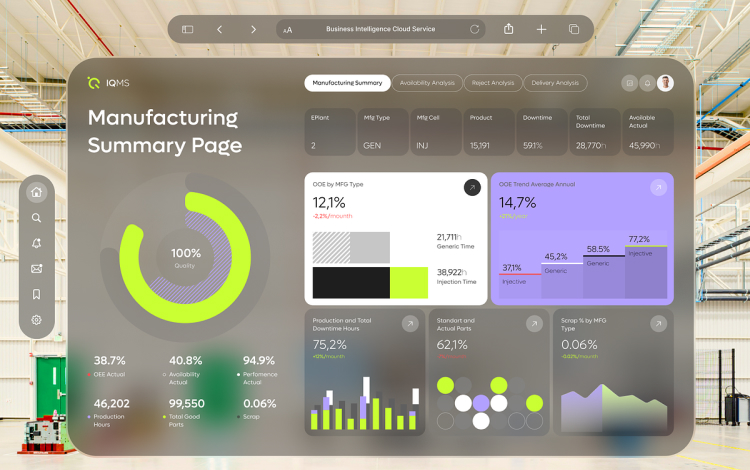
MRP is a software solution that helps to plan the needs of the enterprise in materials, raw materials, components and products for production and supply. MRP uses information about the structure, technology, schedule, inventory, supply contracts, and any other resources to calculate the optimal quantity and timing of purchases for production.
If we describe MRP in simple words, then it is a powerful “calculator” for calculating the volumes of materials and components needed in production. It works in three steps:
takes into account the available volumes of raw materials and components;
determines which materials and components are missing;
plans the production or purchase of everything necessary.
Such a system can replace the permanent work of an entire department, helps to organize an efficient production process and supply chains.
Purpose of the MRP system
Any MRP system is designed to provide all the conditions for the production of the final product, but at the same time make purchases as thoughtfully and timely as possible so as not to overload the warehouse.
So this software should solve three key tasks:
Ensure the constant availability and readiness of raw materials and components for production, as well as a stock of finished products available for supply to consumers;
Maintain the lowest possible level of loading of warehouses with raw materials, components and products in order to avoid downtime;
Contribute to the organization of production, delivery and procurement schedules.
Therefore, the purpose of MRP systems is to ensure uninterrupted production and supply of products, automate planning, procurement and logistics, increase enterprise efficiency and minimize the risk of errors.
The main advantages of the MRP system
Data integration
MRP combines scattered data from various sources in a single digital environment: purchase plans, reports, various information bases, etc. This allows you to establish interaction between the divisions of the enterprise, gives a comprehensive view of the production process and increases the quality of decision-making.
Maintaining a minimum level of warehouse stocks
It is important for the enterprise to maintain a low level of stocks of raw materials, components and goods in the warehouse in order to avoid additional operational costs and financial risks. Excess inventory leads to increased costs for storage, transportation, insurance, and warehouse maintenance. At the same time, the reserves should ensure the possibility of continuous production.
Controllability of warehouse stocks
Among other things, MRP systems allow you to keep a clear account of each product unit that enters or leaves your warehouse. This minimizes the risk of product loss for one reason or another, allows you to track its entire movement in your supply chain and ensure that it reaches the production process or onto store shelves.
Flexibility of planning and management
The digital environment allows you to build the management of the production process with a minimum of bureaucracy and respond to the needs of supply chains in real time. The operator of the MRP system can quickly change plans and purchases in view of the changing state of the market: changes in demand, availability of suppliers, dynamics of prices for raw materials, etc.
Deep automation
The MRP system allows you to automate the processes of procurement, production management and logistics. On the one hand, it reduces any human factor risks that can always harm the enterprise. On the other hand, automation allows solving planning tasks quickly and efficiently, with minimal involvement of personnel.
In this way, the MRP system brings the entire business process of the enterprise to a new level: it helps to optimize logistics expenses, ensures controllability of purchases and continuity of operations, minimizes risks and raises the general level of management culture in the company.
Key functions of the MRP system
Modern corporate MRPs provide the enterprise with a wide set of tools for calculating material needs, planning purchases, optimizing production, storage, transportation and delivery of products to the end user. Let’s analyze these tools in more detail, define the functions of the MRP system.
Sales planning. This is the process of determining the need for finished products based on analytics and sales orders. The system receives order data, analyzes existing stocks and plans additional batches if necessary. This is how the production plan is formed. It is important that it remains flexible and can be adjusted by the system in view of market changes.
Production planning. MRP tools allow you to build an optimal production schedule based on demand, sales plan, available raw materials and components, etc. The system allows you to calculate the necessary volumes and terms of delivery of each material or component for the production of the finished product.
Provision of resources. MRP allows you to plan and optimize the costs of production resources such as raw materials, equipment, labor, etc. The system allows you to analyze resource constraints, allocate resources according to priorities, and balance production plans.
Demand management. MRP systems can include functionality to analyze and forecast product demand based on historical data, current sales orders, and predictive models. Demand analysis feeds into the production plan, the system determines the necessary volumes and terms of supply of products to satisfy the market.
Document management. An important function of MRP is the automation and standardization of document flow: automatic generation of orders to suppliers, invoices, reports, etc. Electronic document management is especially important for large enterprises and organizations – it speeds up all operations, minimizes bureaucracy and reduces office expenses, which can be very significant in the scale of a large business.
Delivery planning. MRP tools allow you to coordinate and optimize the supply of raw materials and components for the production of products. This process involves the formation of procurement plans, the search and selection of suppliers, the negotiation and conclusion of contracts, and the control of deliveries.
Financial management. This is a functionality for control and distribution of financial resources related to the production and supply of products. This process covers production budgeting, accounting and analysis of financial transactions, financial planning and forecasting, etc.
Product output control. MRP allows you to keep detailed and accurate records of the use of raw materials and the release of finished products at the enterprise. System operators clearly see the amount and cost of resources that have been spent on production, as well as the amount and quality of products that have been obtained as a result.
Management of specifications. MRP platforms allow the systematic storage and correction of specifications containing the detailed composition, structure and requirements of the product being manufactured. Specifications allow the system to calculate the requirements for materials and components for production. As a result, the specification change is automatically taken into account in the production plan.
Statistics. Digital MRP solutions provide the enterprise with wide opportunities for analytics, collection and processing of detailed statistics of production and supply of products. This allows you to take into account the strengths and weaknesses of the enterprise, increase the efficiency of operations, make forecasts and plans for business development.
We have listed only the main functions of MRP systems. There are many custom solutions on this market that usually have unique functionality. So the list of functions can be supplemented. Many MRP systems are inherently close to more complex ERP software.
Advantages of using an ERP system together with MRP
The feasibility of using ERP and MRP should be determined individually for each business. After all, different companies from different industries have completely different needs and requirements for digital tools. However, in general, the combination of MRP capabilities and the broader functionality of MRP provides a number of advantages to the business. Here are the main advantages.
Complex optimization of production
MRP will allow to reduce costs of raw materials, components and resources of equipment during production. However, ERP will additionally help reduce operating costs, minimize human factor risks, more efficiently allocate human and financial resources in the production process, and take into account the broad context of business. This makes it possible to comprehensively optimize production – to make it cheaper and faster, while ensuring the quality of products.
Coordination of plans of different units
ERP with MRP functions helps harmonize production plans with purchasing, sales, finance, and marketing plans. This allows you to eliminate data duplication and errors, which can save the company from losing time, resources and customer trust. MRP and ERP integrate various business functions into a single system that ensures timely and accurate exchange of information between departments and divisions.
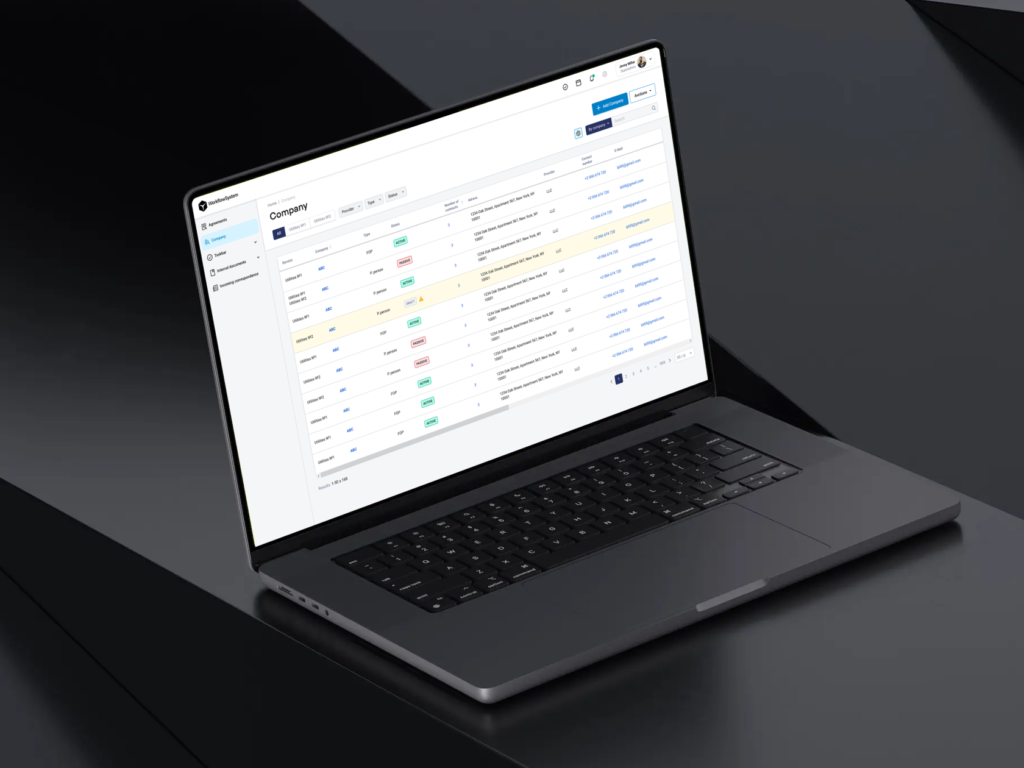
Management in real time
MRP and ERP capabilities allow you to quickly respond to changes in the external and internal environment, such as demand, prices, competition, political and force majeure circumstances, etc. With digital, production, supply and procurement plans can be adjusted almost instantaneously, and assortment, pricing and marketing strategies can be adapted accordingly. Thus, MRP and ERP help the enterprise to maintain flexibility and adaptability.
Strengthening control over supply chains
The use of MRP and ERP opens up wide opportunities for inventory management, reduction of surpluses and deficits, and increase of product turnover. In addition, they improve coordination and interaction with all participants of the supply chain: both inside the company and outside its structure. Functionality of production planning, management of warehouse areas and transportation mechanisms increases reliability and accelerates delivery rates
Improving the end user experience
Unlike MRP, ERP has a functionality for working with customers or end users, which allows for point-by-point improvement and personalization of the service. Therefore, the combination of these systems opens up the opportunity to take into account feedback and unique requests from consumers already at the production stage. In addition, high product quality and fast and error-free delivery, ensured by the efficiency of MRP and ERP, work to improve the customer experience.
Therefore, the combined use of the functionality of MRP and ERP systems allows to reveal their potential by 100%. This benefits both businesses and consumers.
EJ Developer will help you create your ERP system with MRP capabilities
Over the years on the market, our team has gained a lot of experience in creating complex IT products for business: web and mobile applications of any complexity, ERP systems, logistics and production software, etc. We have unique experience in creating software for eCommerce, industry, energy and other areas.
Our main offer is individual high-quality development for unique business needs. We are approached when various cloud and package solutions do not meet business requirements for functionality, security, scalability and customization.
As an example, in one of our recent cases we implemented a custom ERP for an international energy holding. The new solution replaced outdated software from external suppliers, which for a long time did not meet the company’s needs in terms of usability and cyber security.
If you are interested in similar solutions for production or debugging processes in your own business, you are on the right page. Contact our specialists for a consultation right now. We will help you choose the best solutions and technologies.
Conclusions
We found out what an MRP system is – a software that helps to solve the most important tasks of production and logistics. Thanks to MRP, the enterprise can minimize risks, reduce production costs thanks to the optimization of processes and resources, easily adapt to market changes, flexibly plan production and purchases, improving the experience of its consumers and its own indicators.
Today, “classic” MRP systems are not used that often. For the most part, they are part of more complex solutions – ERP platforms, covering not only material management, but management of all company assets and processes (material, human, intellectual, etc.). A successful combination of MRP and ERP capabilities in enterprise practice opens up a number of advantages for business: optimization of production, flexible management, effective control of the logistics chain, etc.
How to implement these advantages in practice? Our experience shows that the best way to achieve this goal is individual development of MRP and ERP for unique business requirements. To be successful, the real sector usually needs the help of a professional and experienced IT team.